Repeat buyers are the foundation of long-term growth on Amazon. They signal trust, satisfaction, and a sustainable business model that is less dependent on new customer acquisition. While many brands focus on the first sale, brands that build for the second and third sale tend to grow faster and more predictably.
Amazon’s Subscribe and Save program, for instance, has been shown to increase conversion rates by up to 1.8 times. These improved conversion rates are the result of intentional decisions about how products are positioned, packaged, and supported post-purchase.

Photo by Sincerely Media on Unsplash
Automate Reorders with Subscribe and Save
The most direct way to encourage repeat orders is to make reordering automatic. Amazon’s Subscribe and Save allows customers to receive products on a regular schedule, often with a discount incentive. Brands can enroll eligible FBA products into the program and choose to offer a 10 to 15 percent discount.
Once enrolled, it is important to highlight Subscribe and Save throughout the listing. Bullet points and A+ Content should explain the benefits clearly. For example, copy like “Convenient auto-reorder option available” helps customers see value immediately.
Amazon provides performance tracking within the Growth tab in Seller Central, where brands can monitor subscription opt-ins, cancellations, and overall revenue from the program.
Reinforce Usage Patterns Through Packaging
Thoughtful packaging plays a role in how often customers come back. Clear labeling that communicates how long a product is meant to last helps set expectations and make repeat ordering more natural. For example, stating that a product contains a “30-day supply” directly on the packaging—and repeating that in your listing—helps establish a cycle.
Refill packs and multi-packs are also powerful tools. By offering a range of sizes and formats, brands allow customers to try a product and then level up to a larger or more convenient version. Visual A+ Content can further reinforce this cycle by illustrating usage timelines.
To measure the impact, brands can review repeat purchase rates using Brand Analytics in Seller Central. If repeat rates increase after adding refill SKUs or changing package sizing, it’s a strong indicator the packaging strategy is working.
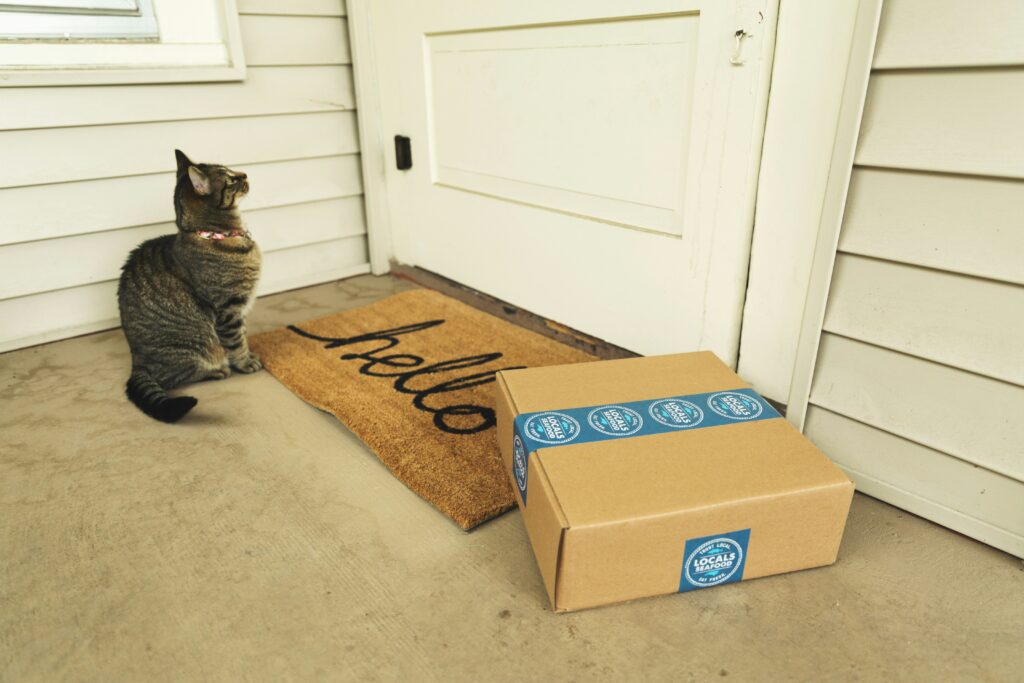
Photo by Sticker Mule on Unsplash
Position Your Listing for Long-Term Use
Product listings should help customers envision how a product fits into their daily or weekly routines. Bullet points are a great place to introduce phrases like “safe for daily use” or “lasts up to three months with regular use.” These cues signal that the product is not a one-time solution but part of an ongoing lifestyle.
Lifestyle imagery within A+ Content and Brand Story modules can take this further. Showing how the product fits into real-world settings, routines, or regimens makes it more memorable and relevant.
If session-to-order ratios improve after updating your listing, and if those changes correlate with increases in repeat purchase behavior, that’s a clear sign the listing is now doing more than just selling once.
Make Subscribe and Save a Feature, Not Just a Function
Subscribe and Save enrollment alone is not enough. Shoppers need to be reminded why the program helps them. This means integrating value messaging directly into your listing content.
It is also important to make sure subscription frequency settings match actual usage. For example, if your product is a 30-day supply, the default subscription should not be set to every 90 days. These settings can be managed in your FBA dashboard.
You can monitor impact by reviewing Subscribe and Save metrics in Seller Central. An increase in enrollment and retention rates following content updates signals that the message is landing.
Photo by christian koch on Unsplash
Use Your Brand Store as a Retention Tool
The Brand Store is more than a place to showcase your catalog—it is a space to guide shoppers back to your brand. A well-organized store can reinforce repeat behavior through pages built around regimens, bundles, or refill paths.
Create a “Regimen” or “Bundles” page that groups together frequently bought-together products. Make it easy for returning customers to find what they need by using clear navigation, limited distractions, and modules focused on replenishment.
Use Store Insights to track returning visitors and performance by page. If traffic increases to a refill page or repeat purchase pages drive more orders, it is a good signal that your store is serving repeat buyers effectively.
Build Bundles That Extend the Customer Journey
Bundling gives returning customers an easy next step. Virtual bundles in Seller Central allow brands to group related items without changing inventory. For example, you can pair a starter pack with a refill or group a trial size with a full-size version.
These bundles can be promoted in your Brand Store or highlighted on the product detail page. To go further, brands can use Brand Tailored Promotions to target repeat customers with offers such as “10 percent off your next purchase.”
Repeat rates and bundle sales can be tracked in Seller Central. A rise in virtual bundle orders and returning buyer behavior suggests these tactics are working.
Final Takeaway
The brands that succeed on Amazon in the long run are the ones that look beyond the first sale. With tools like Subscribe and Save, Brand Stores, virtual bundles, and Brand Tailored Promotions, sellers have more control than ever over the customer lifecycle.
Repeat purchases are a reflection of how easy and compelling you make the next step. By designing every touchpoint—from packaging to product detail pages—with return behavior in mind, you create a shopping experience that customers want to revisit.